Loading...
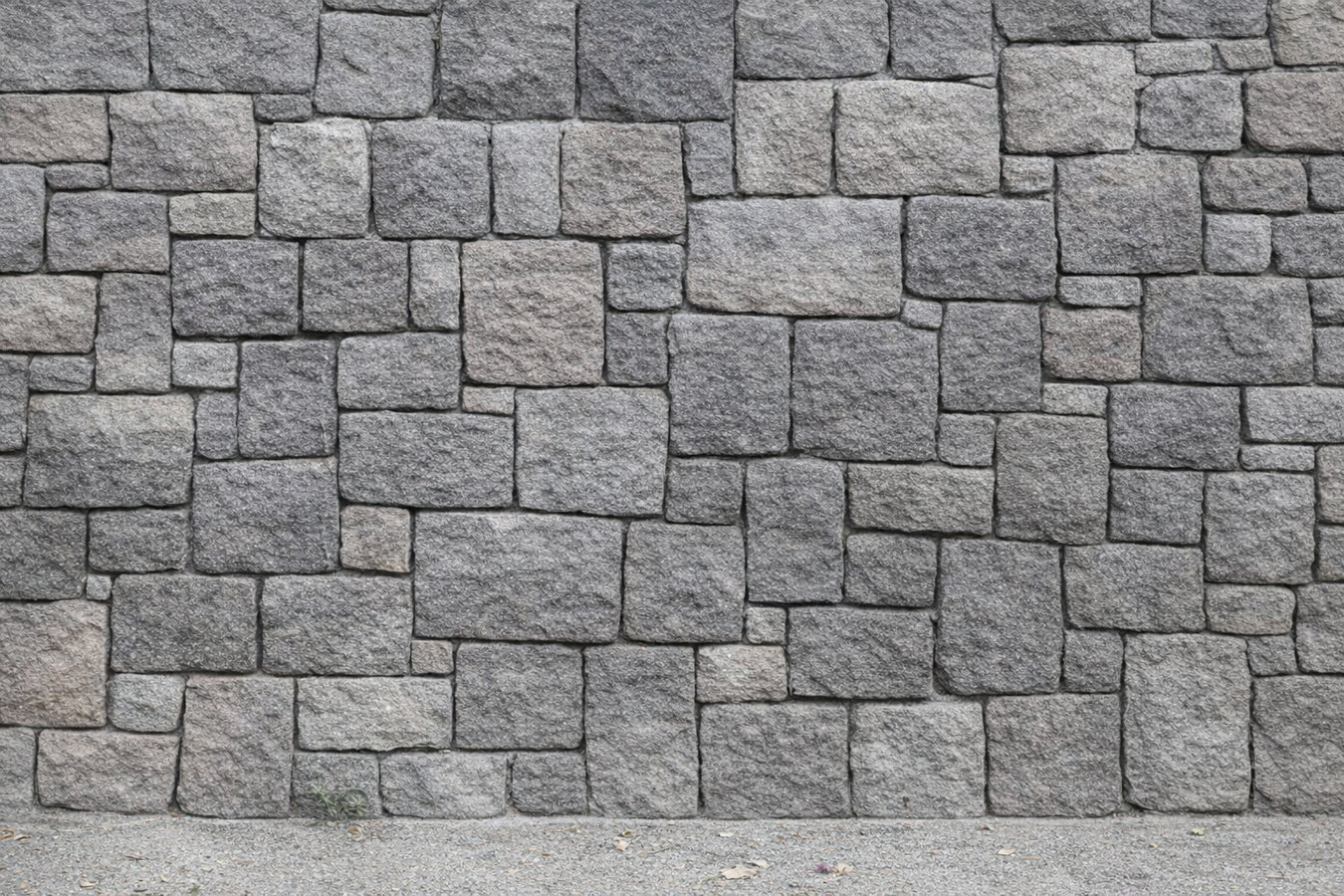
Stone shifts, cracks, and crumbles when the wrong mortar meets a Kentucky freeze-thaw cycle. We match the mix to your stone, account for local soil conditions, and build work designed to stay solid for decades.
Stone masonry in Bowling Green covers cutting, setting, and repairing natural or manufactured stone for walls, chimneys, steps, patios, and retaining structures - small repairs take a day, while a full retaining wall or patio typically runs three to seven days depending on size and site conditions.
If you are seeing cracks, shifting stones, or white chalky deposits on a wall or chimney, water is likely already working its way into the structure. Bowling Green gets around 50 inches of rain a year, and the freeze-thaw cycle here puts real stress on any mortar joint that is not properly filled. Catching these problems early is the difference between a half-day repair job and tearing out and rebuilding a section of wall. If the issue is limited to the mortar lines and you are not seeing stones that have moved, a targeted brick pointing repair may be the right starting point.
The mortar is just as important as the stone itself. A mix that is too hard will crack the stone around it when the wall expands and contracts with temperature changes - one of the most common mistakes made by contractors who are not familiar with stone. We assess your specific stone type before any work begins and match the mortar to it.
Look at the lines of material between the stones on your chimney, wall, or steps. If that material looks sandy, crumbly, or has gaps where it used to be solid, the mortar is failing. In Bowling Green's climate, this often happens after a few hard winters. It is a normal maintenance issue, but one that gets much more expensive if ignored.
If any stones in a wall, chimney, or step have moved out of their original position - even slightly - the structure is no longer stable. This can happen gradually in Bowling Green where the ground shifts due to the underlying limestone geology. A leaning retaining wall or an off-center chimney should be evaluated by a mason before the next winter.
White, chalky deposits on the face of stone are called efflorescence - a sign that water is moving through the masonry and carrying minerals to the surface. In Bowling Green's wet springs, this is an early warning sign that water is getting into the wall somewhere it should not. Left alone, that moisture will eventually cause more serious damage to the mortar and the stone itself.
If you notice new cracks in a stone wall, chimney, or patio after winter ends, freeze-thaw damage is the likely cause. Bowling Green's winters are cold enough to freeze water inside small gaps, and that expansion can open up cracks that were not there the previous fall. Small cracks caught in spring are a straightforward repair - the same cracks ignored for another winter often become much larger problems.
We handle the full range of residential stone masonry - from repairs on a single cracked chimney section to new construction of retaining walls, patios, steps, and decorative stone accents. For structural projects like retaining wall construction, we start with a site assessment that looks at drainage, slope, and soil conditions before we touch a single stone. Bowling Green sits on karst limestone, and footings for any load-bearing stone structure need to account for that geology rather than assume solid ground at standard depth.
For homes in Bowling Green's older neighborhoods - particularly near Western Kentucky University and the historic downtown - we work with lime-based mortars that match what was originally used in construction. Using a modern hard mortar on older stone can crack the stone itself over a few winters, undoing a repair and causing new damage. We assess the existing mortar before choosing a replacement mix, every time. Whether you are working on a new feature or restoring an existing one, our stone work is also designed to drain water properly so the investment holds up through the wet Kentucky springs.
Best for homeowners with a sloped yard who want a durable, natural-looking wall that holds soil, handles drainage, and does not need repainting or sealing every few years.
Best for homeowners who want an outdoor living surface or entry feature that holds up through decades of use, freeze-thaw winters, and Bowling Green's wet springs.
Best for homeowners with a stone chimney showing crumbling mortar, shifting stones, or water staining - caught early, these repairs are straightforward and far less expensive than structural work.
Best for homeowners who want a natural stone accent - a column, garden wall, mailbox surround, or outdoor fireplace - that adds permanent character to the property.
Two conditions make stone masonry more demanding in this area than in many other parts of Kentucky. First, Bowling Green sits on a karst landscape - an area underlain by soluble limestone bedrock that creates uneven subsurface conditions. A retaining wall or patio installed without accounting for local soil behavior may crack or lean within a few years, even if the stonework itself looks flawless on the surface. We treat every structural project as a soil conversation first. Second, the freeze-thaw cycle here - temperatures swinging above and below freezing multiple times each winter - puts pressure on every mortar joint. Water that seeps into a small crack and freezes will expand and widen that crack, and the cycle repeats every cold snap. The fix is the right mortar, filled joints, and drainage built into the design from the start.
Older neighborhoods in Bowling Green also present a specific challenge: many homes built between the 1920s and 1960s used lime-based mortars that are not compatible with modern hard mortar mixes. We have done repair work on homes throughout the city and understand what historic stone construction looks like here. Homeowners in Glasgow and Franklin face similar geology and housing stock, and we bring the same preparation and material-matching approach to every job we take on across the region.
When you reach out, we will ask a few quick questions about what you are seeing and schedule a time to look at it in person. We do not quote stone masonry over the phone - the scope can vary too much by condition and site to give you an accurate number without seeing it.
We walk the area with you, check the stone and mortar condition, look at drainage and ground conditions, and ask about your goals. After the visit you receive a written estimate that breaks out labor and materials. If the project is structural, we tell you upfront whether a city permit is needed.
If a permit is required, we submit the application to the City of Bowling Green Building Inspection office. Permit processing typically adds a few days to a week before work can begin. Once cleared, we confirm a start date and let you know what to have ready.
Most residential stone masonry jobs run one to five days. After completion, mortar needs 24 to 48 hours to cure before the area is used or exposed to heavy rain. We walk you through the finished work, point out anything to watch over the coming season, and answer any questions before we leave.
Free written estimate. We come to your Bowling Green home, assess the stone and soil conditions in person, and give you a clear price - no pressure, no surprise add-ons.
(364) 201-8171We assess your stone type before choosing a mortar mix - not after. Using a mix that is too hard for your stone causes cracking within a few winters. We follow guidance from the Mason Contractors Association of America on mortar compatibility, which means the repair holds up rather than creating a new problem.
Mason Contractors Association of AmericaBowling Green sits on soluble limestone bedrock that makes subsurface soil behavior unpredictable. We evaluate site conditions before designing any footing for a structural stone project. That step is not optional here - it is what separates a wall that lasts from one that shifts in three years.
Many homes near Western Kentucky University and the historic downtown were built with lime-based mortars. We identify what was originally used and match it in repairs. That means your original stone stays intact rather than cracking from a mortar that is too rigid for the existing material.
For structural stone work, we pull the required permits with the City of Bowling Green Building Inspection office and get the city inspector's sign-off. That documentation protects you when you sell your home or file an insurance claim - unpermitted structural work can be flagged and required to be redone.
City of Bowling Green Building InspectionTaken together, these details mean you are not hiring someone who treats stone masonry as a generic trade. You are hiring a team that understands the specific conditions in this part of Kentucky and builds accordingly - so the finished work holds up through the seasons rather than becoming a repair call next spring.
When the mortar between bricks or stone is crumbling but the masonry units themselves are intact, repointing restores the seal and stops water entry before it becomes a structural repair.
Learn MoreA purpose-built retaining wall holds back soil on a sloped property, engineered from the footing up to handle the specific drainage and load conditions of your yard.
Learn MoreMortar problems get harder to fix with every freeze-thaw cycle - get on the schedule now and go into next winter with solid stone work behind you.