Loading...
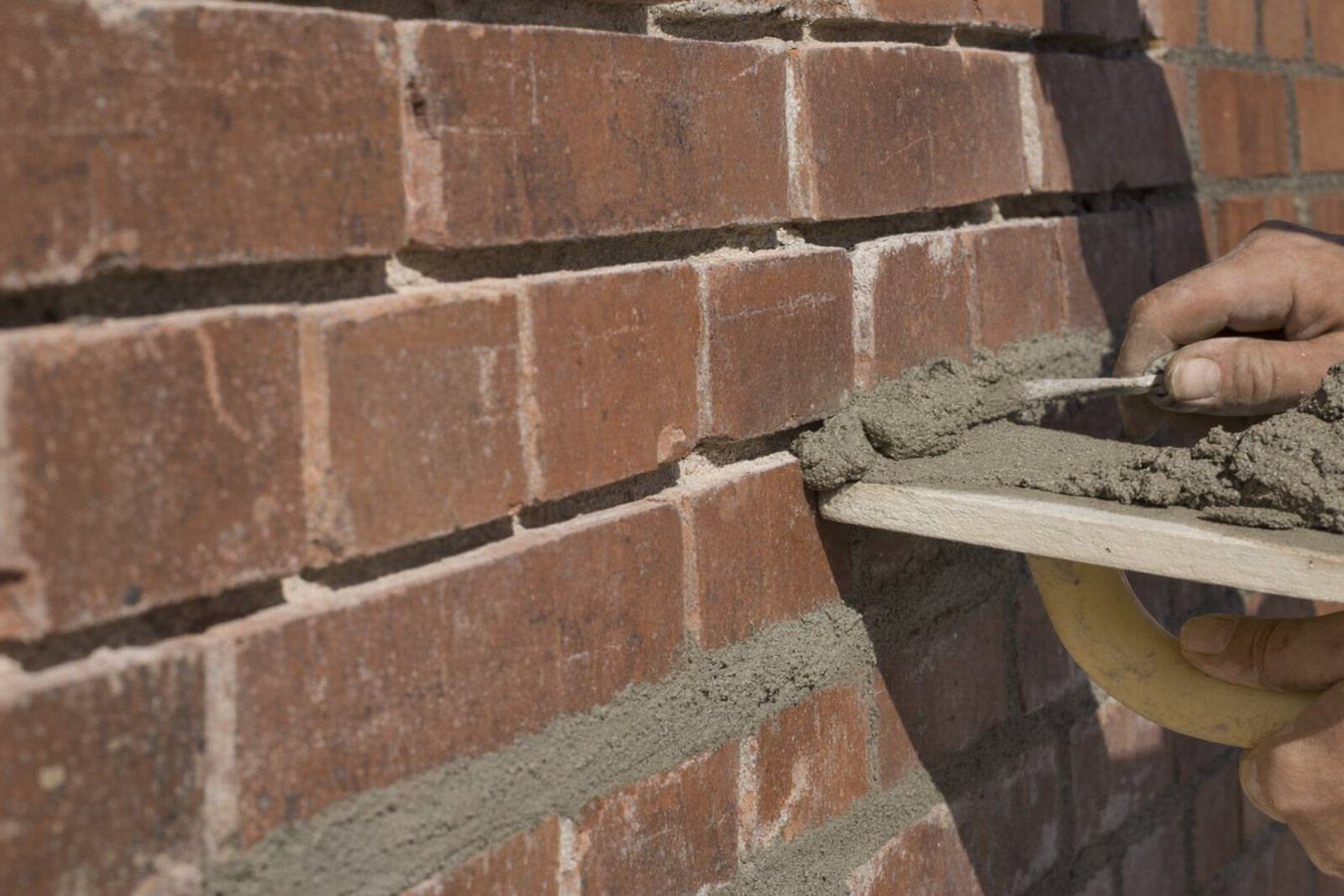
Crumbling mortar joints let water in, and Bowling Green winters turn that water into a chisel. We remove the old mortar to the right depth, match the mix to your brick, and pack it solid - so rain and freeze-thaw cycles stay outside where they belong.
Brick pointing in Bowling Green means a mason chisels out the old, deteriorated mortar between your bricks to a minimum depth of three-quarters of an inch, then packs in fresh mortar matched to your existing wall - most jobs take a single afternoon for a chimney repair up to three days for a large exterior wall.
The mortar between your bricks is designed to be the sacrificial part of the wall - it absorbs movement and moisture so the bricks themselves do not crack. Bowling Green gets around 50 inches of rain a year, and the freeze-thaw cycle here puts water into any open joint and then freezes it, widening the gap with every cold snap. If you are seeing sandy-looking joints, gaps, or damp spots on interior walls after a heavy spring rain, the mortar is already failing. Homeowners with older properties who are also dealing with damaged bricks - not just mortar - may need to combine pointing with a broader foundation repair evaluation to understand the full picture.
The job looks simple from the outside, but the mortar mix is where most pointing work goes wrong. A mix that is too hard will not flex with the wall - it forces stress into the bricks instead, which can cause them to crack or spall over time. We assess your existing mortar and choose a replacement mix that matches it, following guidance from the National Park Service Preservation Briefs on masonry repair - a standard that matters especially for older Bowling Green homes with lime-based original mortar.
Stand back and look at your brick wall, chimney, or foundation from a few feet away. If you can see dark lines where mortar used to be solid, or the mortar looks like it is pulling away from the brick edges, the joints need attention. Run your finger lightly along a joint - if mortar crumbles out easily, it is no longer doing its job.
Bowling Green gets meaningful rainfall in spring, and water finds the path of least resistance. If you notice damp spots on interior brick walls, water stains near a fireplace, or moisture near a basement with brick walls after a storm, failing mortar joints are one of the first things to check. Water behind brick has nowhere to go and will eventually cause damage well beyond the mortar.
Chimneys take more weather abuse than any other part of a brick structure because they are fully exposed on all sides. If the mortar on your chimney looks lighter, more recessed, or more crumbly than the mortar on your exterior walls, the chimney is further along in its deterioration. In Bowling Green's freeze-thaw climate, chimney joints often need attention a full decade before the rest of the house does.
Because of the clay-heavy soils common in Warren County, some homes experience subtle foundation movement that shows up as diagonal cracks through mortar joints - often near window corners or at the base of walls. This pattern is worth having a mason look at, because it can indicate movement is ongoing and a simple surface repoint may not be the full answer.
We handle brick pointing for chimneys, exterior walls, foundation walls, garden walls, and retaining structures across Bowling Green. Every job starts with an assessment of both the mortar and the brick themselves - if the bricks show signs of spalling (face flaking), or if the cracking pattern suggests movement rather than simple mortar erosion, we will tell you before we start so you understand the full scope. For homeowners whose properties also need broader structural attention, brick pointing often makes sense alongside a tuckpointing evaluation, which addresses similar mortar joint issues on older mixed-masonry structures.
For homes in Bowling Green's established neighborhoods - particularly in Shake Rag, the College Street corridor, and areas near Western Kentucky University - we work with lime-based mortars that match what was originally used. Using a modern hard mortar on older brick homes is one of the most common mistakes in this trade, and the damage it causes is not always visible until the next winter or two. We identify the right mix for your specific wall before we pick up a grinder.
Best for homeowners with a chimney showing crumbling, recessed, or missing mortar - caught early, chimney repointing is a straightforward job that keeps water out of the firebox and the liner.
Best for homeowners with brick exterior walls where mortar joints are failing across a section or the full face - restores the weatherproof seal and stops water from working behind the brick.
Best for homeowners seeing moisture in a basement or crawl space with brick or block walls - repointing the joints seals the entry points that water has been using to get inside.
Best for homeowners with older Bowling Green homes where the original mortar was lime-based - requires a mason who will assess the existing mix and choose a compatible replacement rather than defaulting to modern hard mortar.
Bowling Green's climate creates two conditions that make mortar maintenance more critical here than in many other parts of the country. First, the freeze-thaw cycle - temperatures swinging above and below freezing multiple times each winter rather than staying cold - pushes water into any open joint, freezes it, expands it, and widens the gap. Homeowners here often see mortar deteriorate faster than they would expect, and waiting a full year after noticing visible cracking can turn a pointing job into a much more expensive repair. Second, the clay-heavy soils in Warren County cause subtle foundation movement that shows up in mortar joints as diagonal cracking or gaps that open and close with the seasons. That pattern needs a mason who understands what they are looking at, not just someone who will fill the visible gaps.
Bowling Green also has a significant number of brick homes dating from the 1920s through the 1970s - particularly in neighborhoods like Shake Rag and around the Western Kentucky University campus. Mortar from that era was typically softer and lime-based, and some of those properties have already had repair attempts with modern hard mortar that has caused hairline cracking in the original brick. If your home was built before 1980, it is worth asking specifically about mortar compatibility before hiring anyone. Homeowners in Scottsville and Russellville face similar older housing stock and clay soil conditions, and we bring the same mortar-matching approach to every job across the region.
We will want to come see the work in person before giving you a price. Brick pointing is one of those jobs where the scope varies a lot depending on what we find - we need to look at the joints up close and check for any signs that movement or water damage goes beyond the surface.
We walk the wall or chimney with you, assess the mortar condition and the cracking pattern, and ask whether you have noticed any water issues inside. After the visit, you receive a written estimate that spells out what areas will be repointed and the total cost - no pressure to sign on the spot.
The crew grinds or chisels out the old mortar to the correct depth - the noisiest part of the job and it sounds more alarming than it is. Once the joints are clean, they pack fresh mortar in layers and tool the surface to match the original joint profile. Dust and mortar chips are normal; we lay drop cloths and clean up before we leave.
Before the crew leaves, walk the completed work with us and look at the joints up close. Keep the area dry for 24 to 48 hours after work - no sprinklers or pressure washing near fresh mortar. We let you know if any follow-up sealing is worth considering for your specific wall and situation.
Free written estimate. We look at the full condition of your joints in person and give you a clear price - no pressure, no mystery about what the work actually involves.
(364) 201-8171Old mortar is removed to at least three-quarters of an inch deep - anything shallower will not hold. Shallow cuts that leave old mortar behind are one of the most common shortcuts in cut-rate pointing work. We follow the depth standards established by the Brick Industry Association for repointing to ensure the new mortar bonds properly.
Brick Industry AssociationWe assess your existing mortar before choosing a replacement mix - not after. Using a mix that is too rigid for your brick type causes cracking and spalling over time. This is especially important for older Bowling Green homes with lime-based original mortar, where a mismatched modern mix can damage bricks that are still in good shape.
Many homes in Bowling Green's established neighborhoods were built with softer brick and lime mortar. We have done pointing work throughout the city and understand what the original materials look like and how to work with them. We can identify when a prior repair was done with the wrong mix and plan around it so we do not repeat the same mistake.
We show you the problem areas before picking up a grinder, explain what we are doing and why, and walk you through the finished work so you can see the difference. Kentucky contractor licensing requirements give you recourse if something goes wrong - we are licensed and insured, and we will tell you upfront if your project falls outside routine maintenance and into permit territory.
Kentucky Department of Housing, Buildings and ConstructionThese details add up to a pointing job that actually holds - one where the mortar bonds at the right depth, flexes with the wall through winter cycles, and blends with the surrounding brick rather than announcing itself as a repair. That is what protects your home and your investment over the next 25 to 30 years.
When mortar joint failure is part of a larger pattern of settling or water intrusion, a foundation evaluation identifies whether the movement needs to be addressed before surface repairs will hold.
Learn MoreTuckpointing addresses mortar joint deterioration on older mixed-masonry structures, using a two-tone finish to restore both the seal and the visual profile of the original wall.
Learn MoreSpring and fall scheduling fills fast - reach out now to lock in your date before the busy season hits and the next freeze gets into those open joints.