Loading...
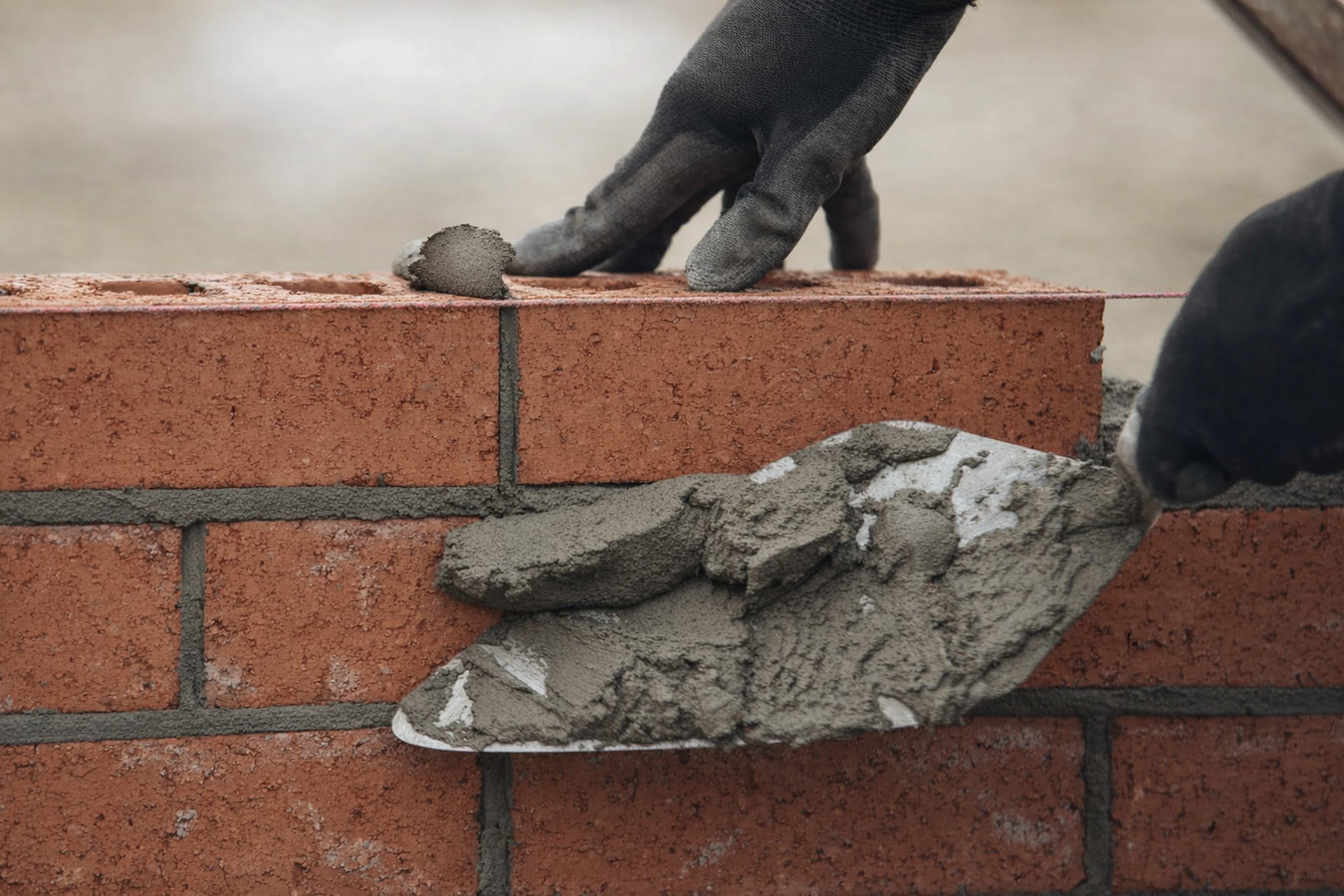
Cracked bricks, crumbling mortar, and diagonal cracks near windows all get worse over time. We find the source of the problem and repair it so the fix holds through Kentucky winters.
Brick repair in Bowling Green covers targeted fixes to damaged masonry - replacing cracked or spalled bricks, repointing worn mortar joints, and stabilizing sections that have shifted - with most residential jobs completed in one to three days.
Most brick repair jobs in Bowling Green are not about replacing an entire wall. They are about finding the specific spots where the mortar has given out or a brick has cracked, fixing those spots properly, and making sure the repair blends in. The mortar between your bricks is designed to wear out before the bricks themselves do - it acts as a buffer - but once it fails, water gets in and damage spreads to the bricks too. Older homes in established Bowling Green neighborhoods, where brick ranch construction from the 1950s through the 1980s is common, are the homes we work on most.
If the damage goes beyond a few isolated spots, a broader approach through masonry restoration may make more sense, and we will tell you honestly which route fits your situation.
Run your finger along the lines between your bricks. If the material crumbles, flakes off, or has gaps where it used to be solid, the mortar has worn out. In Bowling Green, this happens faster on north-facing walls and chimneys that take the brunt of winter weather.
Stair-step cracks that run diagonally through the mortar joints near the corners of windows or doors often mean the ground underneath has shifted slightly. This is a common pattern in Bowling Green neighborhoods built on clay-heavy soil, and it is worth having a mason assess sooner rather than later.
Those white deposits are a sign that water is moving through your wall and leaving mineral traces behind as it evaporates. It does not mean your wall is about to fail, but it does mean moisture is getting in somewhere - and that somewhere usually needs to be repaired.
When the face of a brick starts to flake off or look pitted, it usually means water got inside the brick and froze, breaking the surface apart from within. After several Bowling Green winters, this is not uncommon on older brick homes, and it is easier to address while the damage is still limited to a few bricks.
We handle the full range of brick repair work in Bowling Green - from simple repointing on a small section of wall to replacing multiple cracked or spalled bricks and restoring the structural integrity of a chimney. Every repair starts with an honest assessment of what is actually causing the problem. If the issue is purely the mortar, we repoint the joints with a mix matched to your existing brick. If individual bricks have cracked or shifted, we remove and replace them with material that matches in color and texture so the repair blends in rather than standing out like a patch.
For homeowners dealing with a wider pattern of damage across multiple surfaces or areas, we often pair brick repair with driveway paver work when the driveway edge or paver borders are also showing wear. And when the scope is broader - a whole wall, a chimney rebuild, or a retaining structure - we scale up to a full masonry restoration approach to address the complete picture.
Best for homes where joints are crumbling, recessed, or missing in sections but the bricks themselves are still intact.
Suited for situations where individual bricks have cracked, spalled, or shifted and need to be removed and replaced.
Right for chimneys showing deteriorated joints, cracked bricks, or sections that have started to lean or separate.
For homes with diagonal or stair-step cracks where the cause - mortar failure versus soil movement - needs to be identified before repairs begin.
Bowling Green's housing stock is a mix of older brick ranch homes - many built between the 1940s and 1980s in neighborhoods like Plano, Dishman Acres, and areas near Western Kentucky University - and newer homes built in the rapid growth years of the 1990s through 2010s. Those two eras require very different repair approaches. Older homes often used softer, lime-based mortar that must be matched carefully, because packing in harder modern mortar can crack the original bricks around it. The clay-heavy soils under much of Warren County add another layer of complexity - they swell and shrink with moisture, putting seasonal stress on brick walls and causing the diagonal cracks near windows that many Bowling Green homeowners discover after a wet spring.
We serve homeowners across the Bowling Green area, including in Glasgow, KY and Scottsville, KY, where older brick homes in similar soil conditions face the same combination of freeze-thaw wear and clay soil movement. If you are not sure whether what you are seeing is a routine mortar issue or something more serious, we are happy to come out and give you a straight answer, and so should any reputable masonry company you consider for the job.
Call or fill out our contact form and we will respond within one business day. You do not need to know the technical terms - just describe what you see and where. This helps us come prepared.
A mason comes out to look at the damage in person, checking not just the obvious spots but the surrounding area too. You get a written estimate that spells out the work, materials, and total cost before anything starts.
The crew removes damaged mortar or bricks, cleans the area, and installs properly matched replacement material. Most jobs are done in one to three days. We clear the work area before we leave.
We walk the finished work with you and answer any questions. Fresh mortar needs 24-48 hours to cure - we will tell you what to avoid during that window so the repair sets properly.
Free on-site assessment. Written estimate before any work begins. No obligation.
(364) 201-8171One of the most common complaints after brick work is that the new mortar is a completely different color from the old. We take the time to test and blend the material so the finished repair looks like it was always there, not like a patch job from two years ago.
Many Bowling Green homes built before the 1980s used lime-based mortar that is softer than what is sold today. Using the wrong modern mix on those homes can crack original bricks. We assess your brick type first and match accordingly - the National Park Service Preservation Briefs at nps.gov offer guidance on this that we take seriously.
Diagonal cracks near windows in Bowling Green homes often look like a simple mortar issue but sometimes have a soil movement component underneath. We will tell you honestly which situation you are dealing with and whether the repair we propose will hold long-term.
Every job gets a written quote before work starts. You know exactly what areas we will address, what materials we will use, and what the total cost will be. We do not expand the scope mid-job without talking to you first.
We bring the same attention to a small repointing job as we do to a full chimney repair - because a modest repair done right prevents the larger project that comes from waiting too long.
The National Park Service Preservation Briefs are the most authoritative source on mortar matching and masonry repair for older homes, including guidance on why lime-based mortar compatibility matters on pre-1980 brick.
Repair or install durable paver driveways that handle Bowling Green freeze-thaw cycles without cracking.
Learn MoreFull-scale restoration for aging brick and stone structures that go beyond patching individual sections.
Learn MoreBowling Green's freeze-thaw winters turn small cracks into expensive repairs - getting the work done now means you are protected before the next cold snap arrives.