Loading...
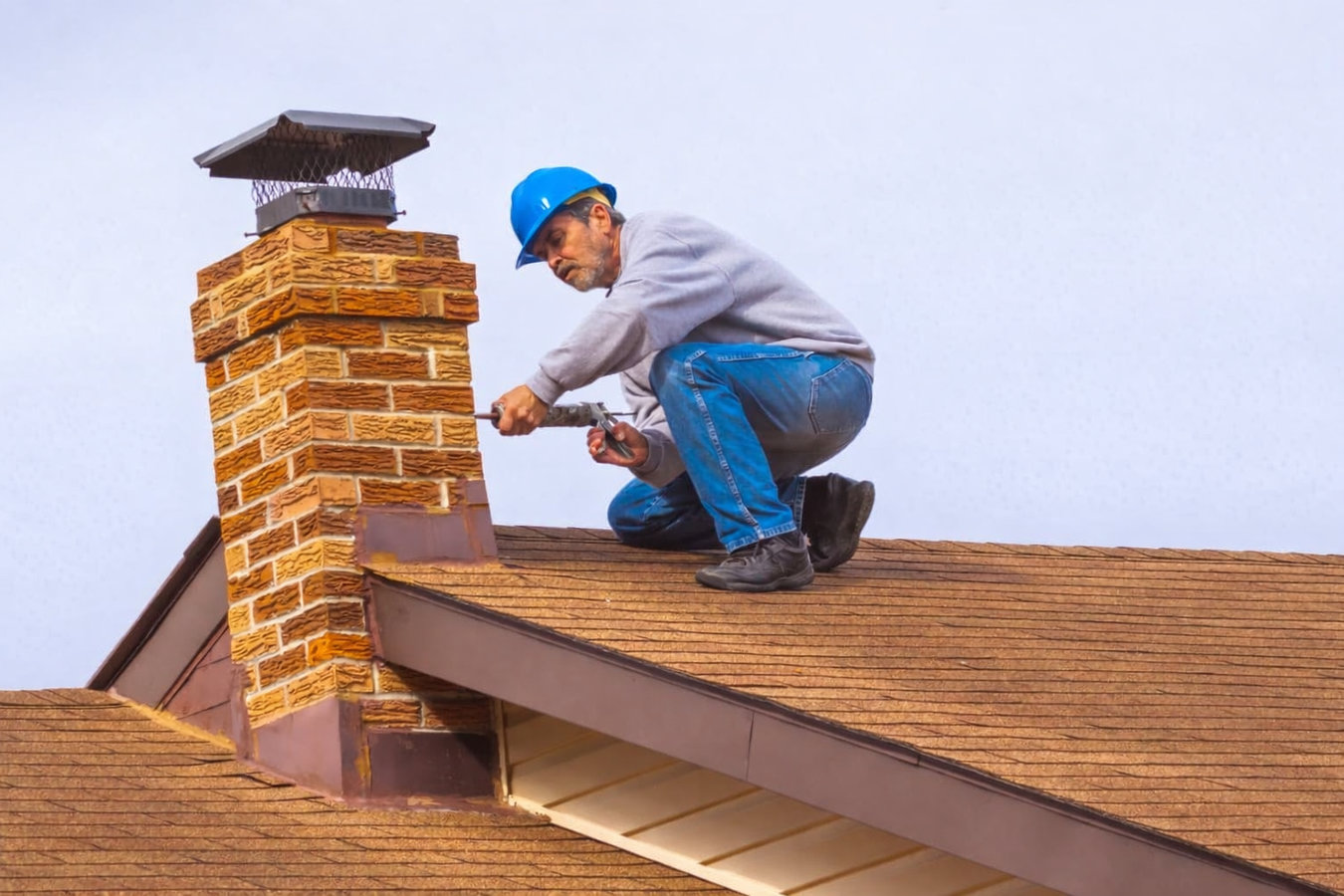
Cracked mortar, a missing cap, or a damaged liner can turn your fireplace into a hazard. Get an honest inspection and a clear repair plan from a local masonry contractor who knows what Bowling Green winters do to chimneys.
Chimney repair in Bowling Green, KY addresses the mortar joints, liner, crown, and cap that keep your fireplace safe and functional, and most standard repairs - tuckpointing, cap replacement, or crown work - are completed in a single day without disrupting your household.
Many Bowling Green homeowners discover chimney problems in spring, after a wet winter has worked its way through cracks that opened up during the freeze-thaw cycles. The city sits in a climate zone where temperatures regularly swing above and below freezing in the same week, forcing moisture in and out of tiny gaps in the mortar. A small crack in October can become a structural problem by March. For homes built before 1980 - a large share of Bowling Green's housing stock - the clay tile liner inside the flue may be 50 or more years old, showing wear that is only visible with a camera inspection.
Chimney work also connects to the broader condition of your home's masonry. If you have noticed cracking or spalling in other areas, our tuckpointing service addresses the same mortar deterioration across brick surfaces throughout your home.
Chalky white streaks or patches on the brick face are a sign moisture is moving through the masonry and carrying dissolved salts to the surface. In Bowling Green's wet climate, this is a common early warning. Catching it early is far cheaper than waiting until the bricks themselves start to flake or crack.
If the mortar lines between the bricks look sunken, dark, or powdery - or if a small piece breaks off when you press it - the mortar has deteriorated past the point where it is doing its job. Bowling Green's freeze-thaw winters wear mortar faster than warmer climates, so this is worth checking every few years.
Brown or yellowish stains on the ceiling or wall near your fireplace opening are a clear sign water is getting into the chimney and finding its way into your home. This often happens after a wet Bowling Green spring, when sustained rainfall works through cracks that opened over the winter. Do not wait on this one - water damage inside a wall gets expensive quickly.
Look up at the top of your chimney from the yard. If the metal cap is gone, badly rusted, or sitting at an angle, rain and animals can get straight into your flue. This is one of the most visible and fixable chimney problems, and it is worth addressing before the next rainy season - or before you light the first fire of fall.
We handle the full scope of residential chimney repair across Bowling Green and surrounding communities. That includes repointing deteriorated mortar joints - a process called tuckpointing - which is the most common repair a chimney needs and the most effective way to stop water infiltration before it reaches the liner or the surrounding structure. We also handle crown repair and rebuilding, chimney cap installation and replacement, waterproof sealant application, and flashing repair where the chimney meets the roofline.
For chimneys where the liner has cracked or deteriorated, we offer liner relining using flexible stainless steel inserts - the standard solution for older clay tile liners that have reached the end of their service life. And for homeowners who want to upgrade or add a wood-burning or gas appliance, we work closely with our fireplace installation service to ensure the chimney system is properly matched to the new appliance from day one. We assess each job honestly and separate what is urgent from what can wait - so you are not spending money on repairs that are not needed yet.
Suited for chimneys with visible mortar deterioration, open joints, or signs of water infiltration at the brick face.
Suited for crowns that are cracked, crumbling, or missing entirely - a damaged crown lets water straight into the flue.
Suited for chimneys with missing, rusted, or poorly fitted caps that allow rain and animals into the flue opening.
Suited for older clay tile liners that have cracked from decades of heat cycling and moisture exposure.
Suited for chimneys that are structurally sound but exposed to Bowling Green's heavy annual rainfall and freeze-thaw conditions.
Suited for chimneys where the metal seal at the roofline has pulled away or corroded, allowing water into the attic or ceiling.
Bowling Green's climate does real damage to chimneys. The city sees temperatures that regularly cross the freezing mark multiple times in a single week during winter - that freeze-thaw cycle forces moisture in and out of tiny cracks in mortar, widening them season after season. What looks like a small surface crack in October can become a structural problem by March. Neighborhoods like Dishman Acres and the areas around Western Kentucky University contain a large share of homes built between the 1940s and 1970s, where chimneys now have clay tile liners that are 50 to 80 years old. Those liners were not designed to last indefinitely, and the only way to assess their condition is with a camera inspection - the outside of the chimney can look fine while the liner inside has already cracked.
Bowling Green also averages around 50 inches of rainfall per year, with particularly wet springs. That sustained moisture keeps working on any existing cracks or gaps in the crown, cap, or mortar joints long after the freeze-thaw season is over. We regularly serve homeowners in Franklin, KY and Hopkinsville, KY who face the same climate-driven mortar wear - the freeze-thaw conditions across this part of Kentucky make regular chimney inspection and maintenance a practical necessity, not just a precaution.
Call or submit the contact form and we respond within 1 business day. We ask a few basic questions - how old is the home, when was the chimney last serviced, what prompted the call - then schedule an inspection at a time that works for you. Fall books up fast in Bowling Green, so calling in late summer gives you the most flexibility.
We examine the exterior - checking the cap, crown, mortar joints, and brick face - then look inside from the firebox opening. For older homes, we use a small camera to inspect the liner from top to bottom, which is the only reliable way to see what is happening inside the flue. At the end, we walk you through exactly what we found in plain terms.
You receive a written estimate that separates urgent repairs from work that can wait. We do not pressure you to do everything at once. If permits are needed for the scope of work, the estimate will note that and explain who handles the permit application - it is always us, not you.
Most standard repairs wrap up in a single day. Liner replacement or more extensive rebuilding may take two to three days. We protect the fireplace opening throughout the job and clean up before leaving. Mortar and sealant products need 24 to 48 hours to cure before you use the fireplace again - we will tell you exactly how long to wait.
We respond within 1 business day - no obligation, no pressure. Fall is the busiest season for chimney work in Bowling Green, so the sooner you reach out, the easier it is to lock in a time that works for you.
(364) 201-8171We use video inspection equipment to examine clay tile liners from the inside - the only way to know whether the liner in an older Bowling Green home has cracked. Many contractors skip this step and patch the exterior without ever confirming whether the liner is still safe. We do not.
After an inspection, we tell you clearly what is urgent, what can wait, and what does not need to be touched. We have been serving Warren County since 2018 and our business depends on homeowners trusting us - not on convincing people to spend money on work they do not need.
With around 50 inches of rain per year and a freeze-thaw winter, Bowling Green is harder on chimney mortar than most of the country. We use materials and methods appropriate for this climate - not a one-size-fits-all approach. The National Fire Protection Association recommends annual chimney inspections for exactly the conditions this area sees. You can read their guidance at nfpa.org.
Standard chimney repairs - tuckpointing, cap replacement, crown work, and waterproofing - are typically completed in one visit. You will not be waiting days for a crew to return or managing a prolonged project. We give you a realistic timeline before work begins so you can plan around it.
A properly repaired chimney is not just safer - it protects the investment you have made in your home, keeps moisture out of your walls and ceilings, and means you can use your fireplace without second-guessing it.
Fresh mortar between your chimney's bricks restores the seal that keeps water out and extends the life of the masonry by decades.
Learn MoreIf your existing chimney is beyond repair, a professionally installed new fireplace and chimney system gives you a safe, efficient setup from day one.
Learn MoreFall slots fill fast - call today or submit an estimate request and we will respond within 1 business day, so you are not scrambling when the first cold snap arrives.